Addressing the biological, nutritional, and neurological roots of substance use disorder for lasting recovery
Addiction is not a moral failing or a lack of willpower. It is a complex, chronic brain disorder with deep biological, psychological, and social roots. Yet treatment models that focus solely on behavioral interventions or medication management — without addressing the underlying physiological drivers — often result in high rates of relapse. A functional medicine approach to addiction recovery recognizes that lasting healing requires addressing the whole person: the neurobiological dysregulation, the nutritional deficiencies, the gut-brain axis disruption, and the psychological wounds that fuel substance use.
The Neurobiology of Addiction
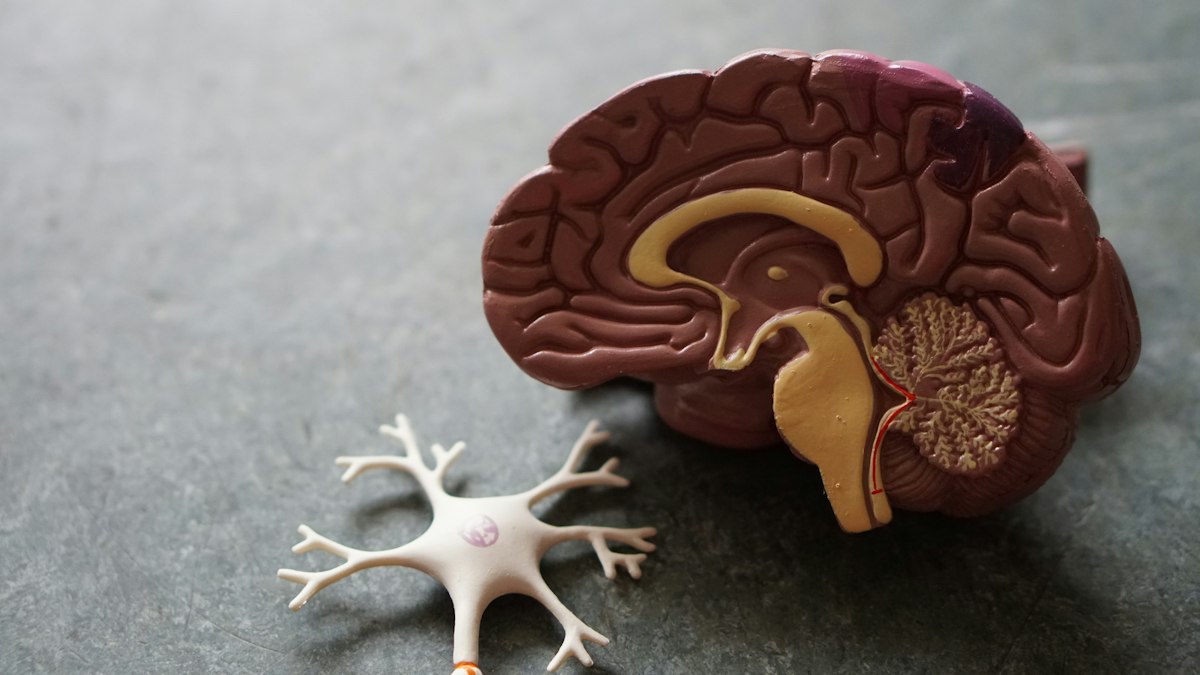
Chronic substance use profoundly alters the brain's reward circuitry — particularly the dopaminergic pathways of the nucleus accumbens and prefrontal cortex. Over time, the brain downregulates its own dopamine receptors in response to the artificial stimulation of substances, leaving the individual in a state of anhedonia — an inability to experience pleasure from natural rewards. This neurobiological state drives continued substance use not for pleasure, but to feel normal. Recovery requires restoring the brain's natural reward function — a process that takes time, nutritional support, and targeted interventions.
Medication-Assisted Treatment (MAT)
For opioid use disorder, medication-assisted treatment with buprenorphine (Suboxone) or naltrexone is the gold standard of care, supported by extensive evidence showing significant reductions in overdose mortality, illicit drug use, and criminal activity. Dr. Ratliff is certified to prescribe buprenorphine and integrates MAT within a comprehensive functional medicine framework — addressing not just the opioid dependence, but the underlying factors that contributed to it.
At Tri-State Healing Initiative, addiction medicine is delivered with compassion, without judgment, and with a commitment to addressing the whole person — not just the substance use. Telehealth appointments for MAT are available across all licensed states.
Nutritional Repair in Recovery
Chronic substance use depletes critical nutrients that are essential for neurotransmitter synthesis, energy production, and cellular repair. Alcohol use disorder, for example, is associated with severe deficiencies in thiamine (B1), folate, magnesium, and zinc — deficiencies that contribute to cognitive impairment, peripheral neuropathy, and mood disorders that persist into early recovery. A functional medicine approach to recovery includes comprehensive nutritional assessment and targeted repletion to support neurological healing.
- Amino acid therapy: Precursors to dopamine, serotonin, and GABA — including tyrosine, tryptophan, and GABA — can support neurotransmitter restoration during recovery.
- Omega-3 fatty acids: Essential for neuronal membrane integrity and anti-inflammatory signaling in the brain.
- Magnesium: Depleted by alcohol and stimulant use; critical for NMDA receptor regulation and anxiety reduction.
- B vitamins: Essential for energy metabolism and neurotransmitter synthesis; commonly depleted in substance use disorder.
- Vitamin D: Deficiency is associated with depression, anxiety, and impaired immune function — all of which complicate recovery.
Addressing the Gut-Brain Axis in Recovery
The gut microbiome is profoundly disrupted by chronic substance use — particularly alcohol, opioids, and stimulants. This dysbiosis contributes to the anxiety, depression, and cognitive impairment that characterize early recovery and are among the most common triggers for relapse. Restoring gut health through dietary intervention, probiotics, and targeted gut-healing protocols is an underutilized but powerful component of addiction recovery.
A Path Forward
Recovery is possible — and it can be more than the absence of substance use. With the right support, individuals in recovery can experience genuine healing: restored energy, improved mood, clearer thinking, and a renewed sense of purpose. If you or someone you love is struggling with substance use disorder, we invite you to reach out to Tri-State Healing Initiative. Telehealth appointments are available, and we are committed to providing compassionate, evidence-based, whole-person care.
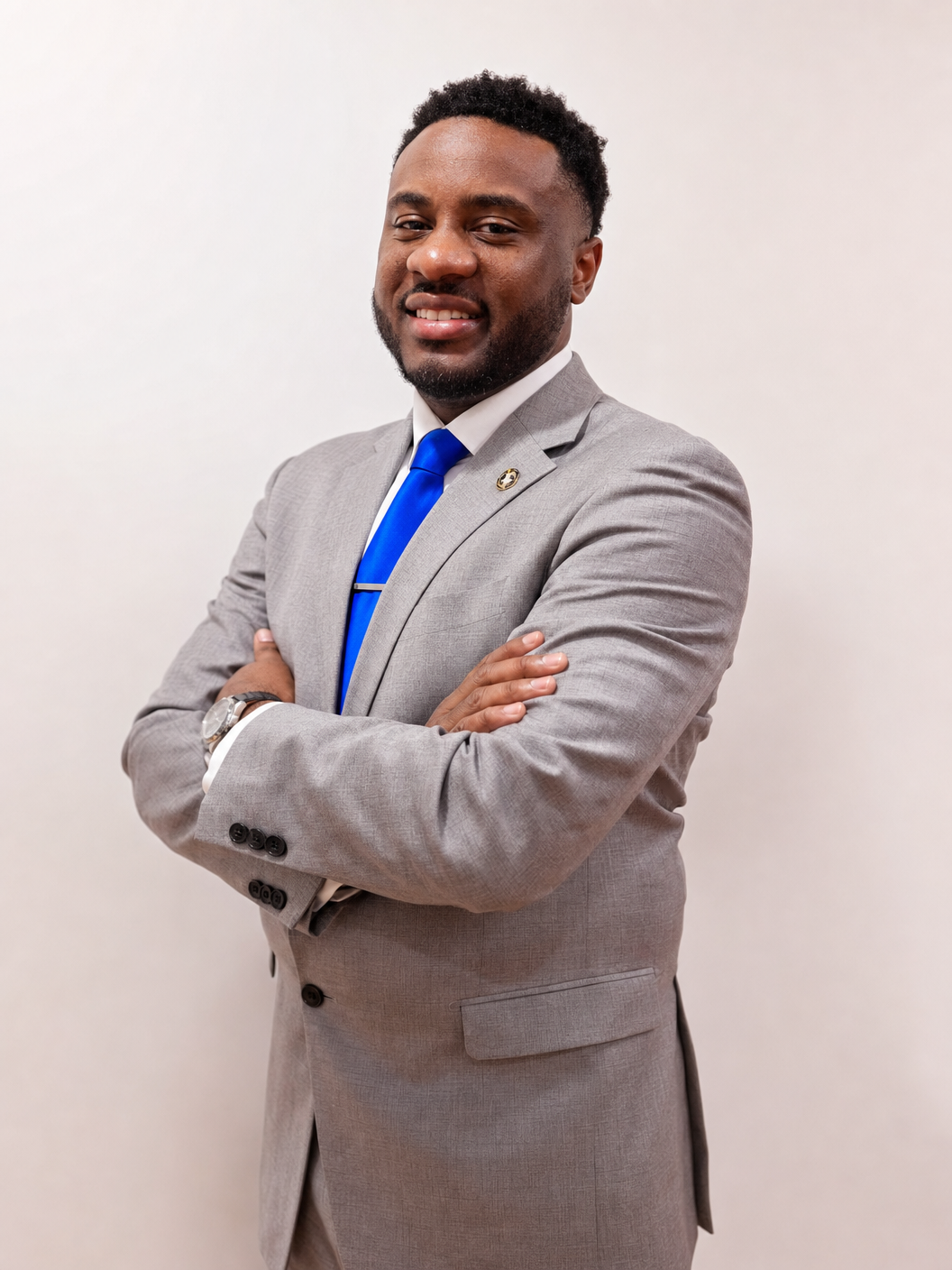
Dr. Bryce Ratliff, MD
Board-Certified Family Medicine · Functional Medicine
Dr. Ratliff is the founder of Tri-State Healing Initiative LLC, a hybrid telehealth and in-person practice offering functional medicine and primary care in New Jersey and Kentucky. He is passionate about root-cause medicine and empowering patients to achieve lasting health.