Understanding why root-cause care is transforming how patients manage chronic illness
If you've ever left a doctor's appointment with a prescription but no real explanation of why you feel the way you do, you're not alone. Millions of patients with chronic conditions — fatigue, autoimmune disease, hormonal imbalances, digestive disorders — cycle through conventional care without ever getting to the root of their symptoms. Functional medicine offers a fundamentally different path.
The Core Difference: Treating Disease vs. Restoring Function
Conventional medicine is built around a disease-centered model. A patient presents with symptoms, a diagnosis is made, and a treatment — typically a medication — is prescribed to manage those symptoms. This model is extraordinarily effective for acute care: infections, injuries, surgical emergencies. But it was never designed to address the complex, multifactorial nature of chronic illness.
Functional medicine, by contrast, is patient-centered and systems-oriented. Rather than asking 'What disease does this patient have?', the functional medicine physician asks 'Why does this patient have these symptoms?' The goal is to identify and address the upstream drivers of dysfunction — whether they are nutritional deficiencies, hormonal imbalances, gut dysbiosis, chronic infections, environmental toxins, or unresolved psychological stress.
Key Differences at a Glance
- Conventional medicine focuses on diagnosing and treating named diseases; functional medicine focuses on restoring optimal physiological function.
- Conventional visits average 7–15 minutes; functional medicine consultations typically run 45–90 minutes to gather a comprehensive health history.
- Conventional labs use population-based 'normal' ranges; functional medicine uses optimal ranges to detect early dysfunction before disease develops.
- Conventional treatment often centers on pharmaceuticals; functional medicine prioritizes nutrition, lifestyle, targeted supplementation, and stress management — with medications used when necessary.
- Conventional care tends to be organ-specific (cardiologist, gastroenterologist, endocrinologist); functional medicine views the body as an interconnected system.
Who Benefits Most from Functional Medicine?
Functional medicine is particularly well-suited for patients with chronic, complex, or unexplained conditions. Common presentations that respond well include: Type 2 diabetes and metabolic syndrome, autoimmune conditions such as Hashimoto's thyroiditis and rheumatoid arthritis, irritable bowel syndrome and inflammatory bowel disease, chronic fatigue and fibromyalgia, hormonal imbalances including thyroid dysfunction and adrenal dysregulation, anxiety and depression with physiological contributors, and cardiovascular disease risk reduction.
Functional medicine does not replace conventional medicine — it complements it. At Tri-State Healing Initiative, Dr. Ratliff integrates both approaches to provide care that is both evidence-based and deeply personalized.
The Role of Advanced Testing
One of the most powerful tools in functional medicine is advanced diagnostic testing. Beyond standard blood panels, functional medicine practitioners may use comprehensive metabolic panels, micronutrient testing, stool analysis for gut microbiome health, hormone panels including cortisol rhythms, food sensitivity testing, and genetic markers that influence metabolism and detoxification. These tests provide a far more detailed picture of a patient's biology — allowing for interventions that are targeted rather than generic.
A Note on Insurance and Access
One common concern about functional medicine is cost. At Tri-State Healing Initiative, we accept most major insurance plans — including Medicare, Medicaid, Anthem, Aetna, Cigna, and United Healthcare — for primary care and many functional medicine services. We believe that root-cause care should be accessible, not a luxury.
"The doctor of the future will give no medicine, but will interest his patients in the care of the human frame, in diet, and in the cause and prevention of disease." — Thomas Edison
Whether you are managing a chronic condition, seeking to optimize your health, or simply tired of being told your labs are 'normal' when you feel anything but — functional medicine may offer the answers you've been looking for. We invite you to schedule a consultation with Dr. Ratliff to explore what a root-cause approach could mean for your health.
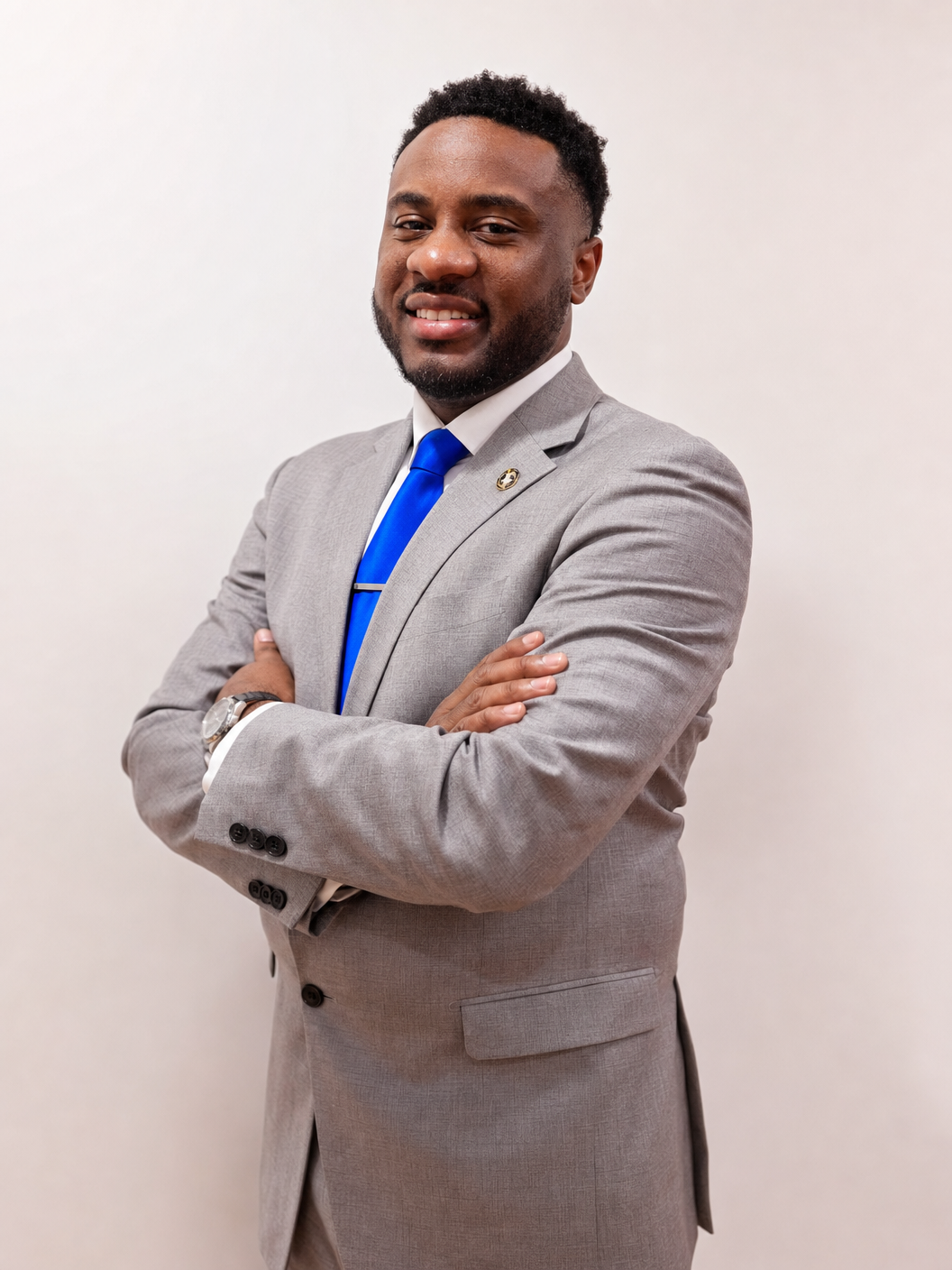
Dr. Bryce Ratliff, MD
Board-Certified Family Medicine · Functional Medicine
Dr. Ratliff is the founder of Tri-State Healing Initiative LLC, a hybrid telehealth and in-person practice offering functional medicine and primary care in New Jersey and Kentucky. He is passionate about root-cause medicine and empowering patients to achieve lasting health.